
Most punters hear the words payout percentage for European roulette and assume it is a promise rather than a probability. After three decades designing titles for over three hundred releases, I can tell you the maths never lies, even when the lights and sound design try to distract you. The single zero on the wheel is the whole story, and any operator worth your licence fee will show you the theoretical return plainly instead of burying it behind flashy welcome bonuses. If you want a clearer picture of where the edge actually sits, hit gold game keeps the published figures in the same place as the game rules, which is a discipline I have always demanded from the studios I have worked with.
How the wheel maths shape your long run
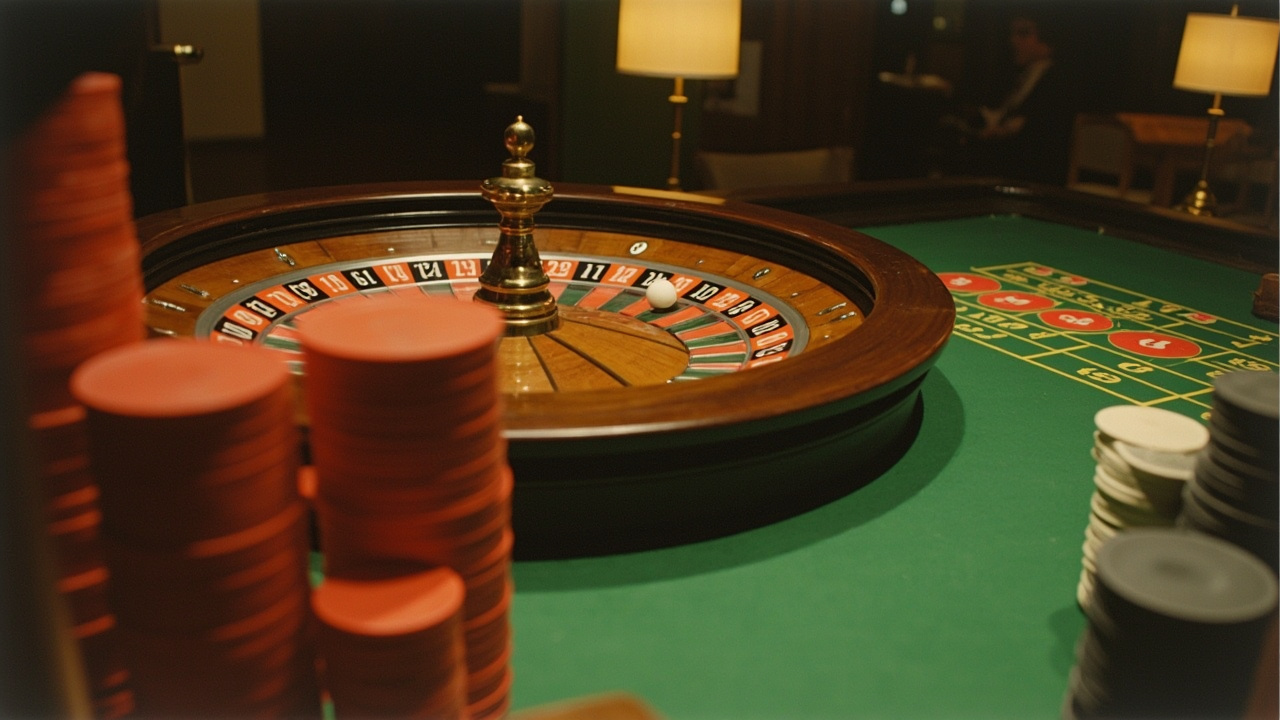
European roulette carries a single zero, which sets the theoretical house edge at 2.7 percent across most even-money and inside bets. That figure is fixed by the wheel layout, not by the operator, so the payout percentage for European roulette you see advertised is really a reflection of how faithfully the table follows that standard. I have overseen mechanics where a single extra pocket or a biased random-number generator quietly shifted returns by half a percent, and players noticed the drift inside a session. A fair online table mirrors the physical wheel, meaning red-and-black or odd-and-even bets pay one-to-one while the zero collects its share over time. You can read a longer take on how stake size shapes perception in five euro roulette stakes, which walks through why a modest, consistent wager often feels steadier than a big swing. The point for an Australian player is simple: the percentage is a long-run expectation, not a session guarantee, and the only real lever you control is how long you stay at the table.
Two player-fit scenarios for the same wheel
The right way to approach the wheel depends on what you are actually after from the session. If you are chasing a measured, repeatable evening rather than a single big hit, the payout percentage for European roulette favours a disciplined even-money rhythm with a stop-loss you actually respect. I have seen this pattern hold up across licensed entertainment brands where the product had to survive repeated play rather than one lucky spin, and the same discipline applies here. If you prefer a more tactile, higher-variance approach, inside bets on a single number or a small split keep the payouts large while the percentage stays identical, which is a different emotional experience on the same wheel. Picture two mates, Callum and Drez, nursing flat whites at a café in regional Queensland while the afternoon heat sits heavy on the tin roof.
Callum: “I keep telling myself the twenty-seven is due, but the maths says the zero just quietly takes its cut every spin.”
Drez: “That is exactly it – the percentage does not care about your hunch, it only cares about how many spins you put through it.”
Callum: “So I should just pick a stake and walk away when the limit hits, instead of chasing the next red.”
Drez: “Reckon so. The wheel is the same either way, you are just choosing which kind of session you want.”
That sort of conversation is the difference between a player who understands the product and one who keeps feeding a table past the point they planned.
Ongoing value beyond the welcome offer
The first deposit bonus always gets the attention, but the real test of a table product is what keeps you returning once the welcome offer has been used. A solid operator leans on recurring promos, cashback on losing sessions, a loyalty or VIP tier that actually recognises repeat play, and occasional tournaments that give the same wheel a different competitive frame. In my experience building products that had to earn players back week after week, the retention mechanics matter more than the splashy sign-up figure, because the percentage is constant and the entertainment has to come from the surrounding service. Cashback that returns a small slice of table losses softens the variance without pretending the edge has moved, and a loyalty programme that stacks points toward table credits or event access gives you a reason to come back beyond the hope of a lucky run. Tournaments around European roulette can add a fresh angle, but they still run on the same 2.7 percent edge, so treat them as a different way to play the same maths rather than a way around it.

What to check before you put a credit card in
Before you commit to a table, the details that actually matter are the ones that tell you whether the operator is running a fair, transparent product or just a polished window on the same wheel. Ethan Gibson, Chief Financial Officer, Harbour City Gaming Review, puts it plainly: “A published return figure is only useful if the same operator can show you the game rules, the random-source disclosure, and the table limits in the same place, because a number without context is just a number.” Harrison Fraser, Head of Operator Partnerships, Murray River Gaming Research, adds a sharper caveat: “Players should treat any advertised percentage as a theoretical long-run expectation, not a session promise, and they should check whether the same table carries table-specific limits that could cut a session short before the maths has time to settle.” The practical checklist is straightforward:
- Confirm the table uses a single-zero European layout and read the full game rules before the first spin.
- Check that registration is quick but still asks for the identity details a proper licence requires, because a site that skips verification is a site you do not want holding your funds.
- Make sure payments and currencies match what you actually use, with AUD support and clear withdrawal timelines rather than a maze of conversions.
- Verify the mobile experience loads the same table and the same published figures as the the company’s web page desktop version, because a disjointed mobile product usually signals a disjointed back end.
- Look for a support channel that answers a straightforward question about table limits or bonus terms without making you chase it across three different pages.
The payout percentage for European roulette is not a secret handshake or a clever trick; it is a fixed property of the wheel, and the operator worth your time is the one that treats it as a fact to publish rather than a line to dress up.
